
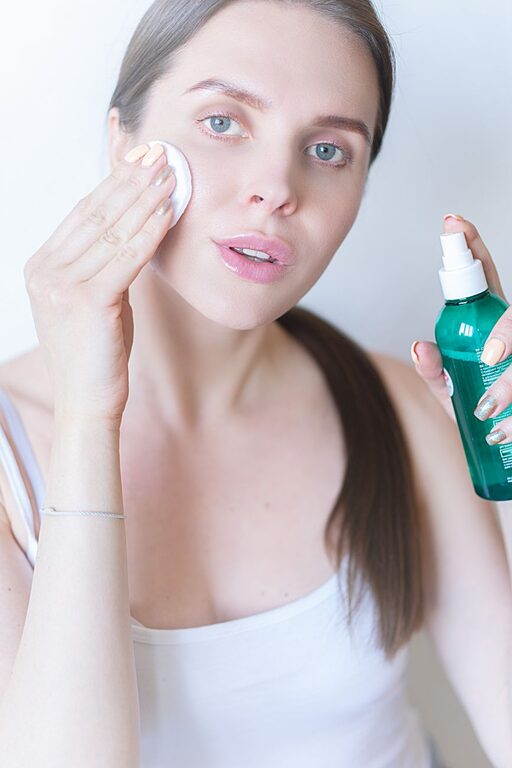
Starting a skincare routine may seem overwhelming, especially with so many products and advice out there. But creating a basic routine doesn’t have to be complicated. With just a few key steps, you can establish a skincare habit that promotes healthy, glowing skin. This guide will help you understand the essentials and get started on your journey to better skin.
Why Start a Skincare Routine?
Your skin is your body’s largest organ and acts as a barrier against environmental stressors. A consistent skincare routine helps maintain this barrier, prevent skin issues, and improve your skin’s overall appearance. Even a simple routine can protect your skin, boost confidence, and encourage self-care.
Step 1: Know Your Skin Type
Before choosing products, it’s important to identify your skin type. This will help you select suitable products that address your specific needs.
– Normal: Balanced skin, not too oily or dry, few imperfections.
– Oily: Shiny appearance, enlarged pores, prone to acne.
– Dry: Flaky, rough texture, feeling tight or itchy.
– Combination: Oily in some areas (usually the T-zone), dry or normal in others.
– Sensitive: Easily irritated or reactive to products.
You can observe your skin by washing your face, patting it dry, and noting how it feels an hour later. If it feels tight or flaky, it may be dry. If it looks shiny, it’s likely oily.
Step 2: The Basic Skincare Routine Steps
1. Cleansing
Cleansing removes dirt, oil, and impurities from your skin.
– Use a gentle cleanser suitable for your skin type.
– Wash your face twice daily—morning and evening.
– Avoid harsh soaps that can strip natural oils.
2. Toning (Optional)
Toners help balance your skin’s pH and remove residual impurities.
– Choose alcohol-free toners with soothing ingredients like rose water or witch hazel.
– Use after cleansing with a cotton pad or by patting lightly onto the skin.
3. Moisturizing
Moisturizer hydrates and protects your skin.
– Pick a moisturizer designed for your skin type—lighter gels for oily skin and richer creams for dry skin.
– Apply moisturizer while your skin is still damp for better absorption.
– Use morning and night to keep skin hydrated.
4. Sun Protection
Sunscreen protects your skin from harmful UV rays and prevents premature aging.
– Use a broad-spectrum SPF 30 or higher every day, even when it’s cloudy.
– Apply sunscreen as the last step in your morning routine.
– Reapply every two hours if you’re outside for prolonged periods.
Step 3: Additional Tips for Healthy Skin
– Exfoliate once or twice a week to remove dead skin cells, but avoid over-exfoliating.
– Drink plenty of water to keep your skin hydrated from within.
– Maintain a balanced diet rich in fruits, vegetables, and healthy fats.
– Get enough sleep and manage stress as they impact your skin’s health.
– Avoid touching your face frequently to prevent transferring dirt and bacteria.
Step 4: Building Your Routine Over Time
Starting simple is key. After you’re comfortable with the basic steps, you might want to incorporate additional treatments like serums or masks tailored for concerns such as acne, dark spots, or aging.
Remember, skincare is personal. What works for one person might not work for another. Give new products a trial period of a few weeks to see how your skin reacts.
Final Thoughts
A basic skincare routine doesn’t have to be time-consuming or expensive. By cleansing, moisturizing, and protecting your skin daily, you’re laying the foundation for a healthy complexion. Listen to your skin’s needs and adjust your routine accordingly. With patience and consistency, you’ll notice positive changes that enhance your natural glow.
Starting today can make a big difference tomorrow!